

Responsible gambling process: your UK guide
TL;DR:
- Online gambling demands responsible management to prevent unexpected losses and preserve enjoyment.
- Using platform tools like deposit limits, reality checks, and self-exclusion helps players stay in control effectively.
Online gambling is enjoyable until the moment you look up and realise you’ve spent three hours and £200 you hadn’t planned to lose. That moment is precisely why understanding the responsible gambling process matters. It is not about spoiling your fun. It is about making sure you stay in the driving seat. This guide walks you through the tools, habits, and honest self-assessment that keep gambling entertaining rather than harmful, with practical steps built specifically for UK players navigating licensed online platforms in 2026.
Table of Contents
- Key takeaways
- The responsible gambling process explained
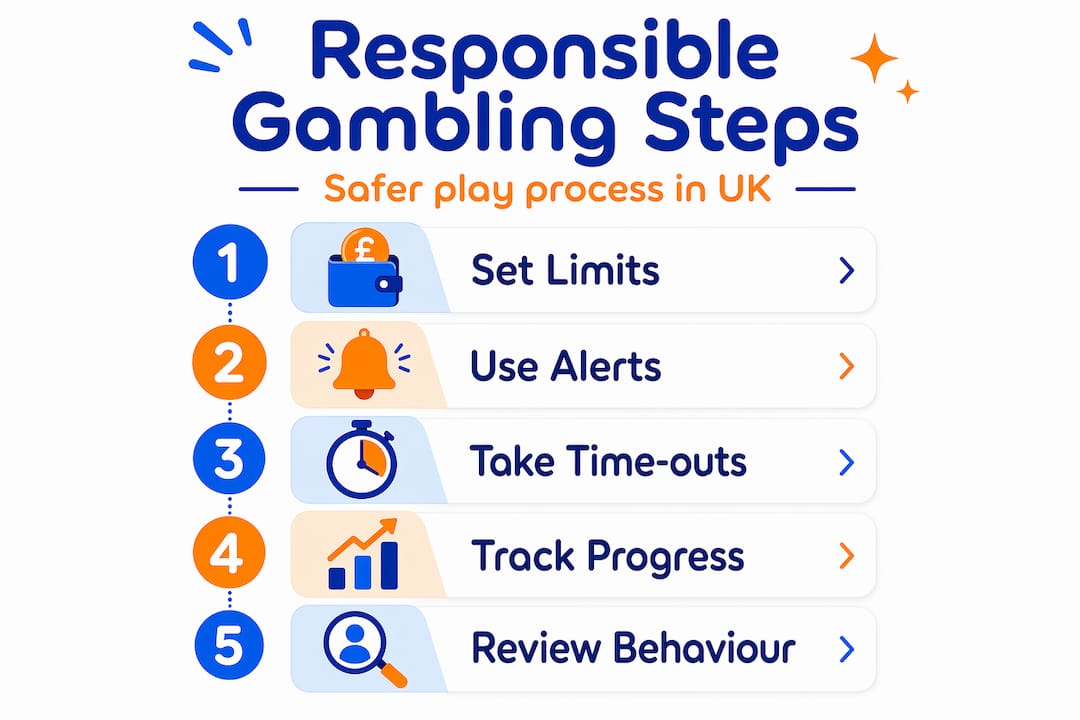
- Setting limits and using safer play tools
- Common mistakes that undermine safe play
- Tracking and verifying your progress
- My take on why this process matters more than the rules
- How Geekygambler helps you gamble safely
- FAQ
Key takeaways
| Point | Details |
|---|---|
| Prepare before you play | Set your personal limits and understand the available tools before depositing a single pound. |
| Use built-in platform tools | UK licensed sites must offer deposit limits, reality checks, time-outs, and self-exclusion. |
| Avoid common emotional traps | Chasing losses and gambling while upset are the fastest ways to override your own controls. |
| Track your sessions honestly | Keeping a simple gambling log helps you spot escalation patterns before they become crises. |
| Seek support early | Professional help is available before things reach rock bottom, and it works best when used early. |
The responsible gambling process explained
Before anything else, you need a clear picture of what the responsible gambling process actually involves. It is not a single action, like ticking a box that says “I agree to gamble safely.” It is an ongoing cycle of preparation, active management, and honest review.
The UK Gambling Commission sets gambling responsibility guidelines that require all licensed operators to provide protective tools and clear information. As a player, knowing those guidelines exist gives you a baseline expectation: every legitimate UK site must offer you the means to stay in control.
Part of that preparation is understanding your own relationship with gambling. Gambling is linked to emotional triggers and mental health conditions like anxiety and depression, which directly influence how you behave at the table or slots. Recognising whether you gamble to relax, to win, or to escape something is not a small question. Your honest answer shapes which tools you will actually need.
Before your first session, you should have ready:
- A clear budget that comes from disposable income only, never from rent, bills, or savings
- An understanding of deposit limit options on your chosen platform
- Familiarity with reality checks and how to activate them
- The GamStop self-exclusion programme details, should you ever need distance from all UK licensed sites
- At least one support contact saved, such as the National Gambling Helpline on 0808 8020 133
Pro Tip: Treat your gambling budget the same way you treat a night out budget. Withdraw it, set it aside, and when it is gone, the session is over. Mixing gambling funds with your general account balance is one of the most reliable ways to lose track of spending.
Setting limits and using safer play tools
This is where the responsible gambling process becomes concrete and practical. Every UK licensed operator is required to offer a set of safer play tools, and learning how to configure them properly takes less than ten minutes but pays dividends every session.
Deposit and spending limits
Setting financial limits on gambling is the single most effective technical control available to you. On any UKGC licensed site, navigate to your account settings and locate the responsible gambling or safer gambling section. You will find options for daily, weekly, and monthly deposit limits.
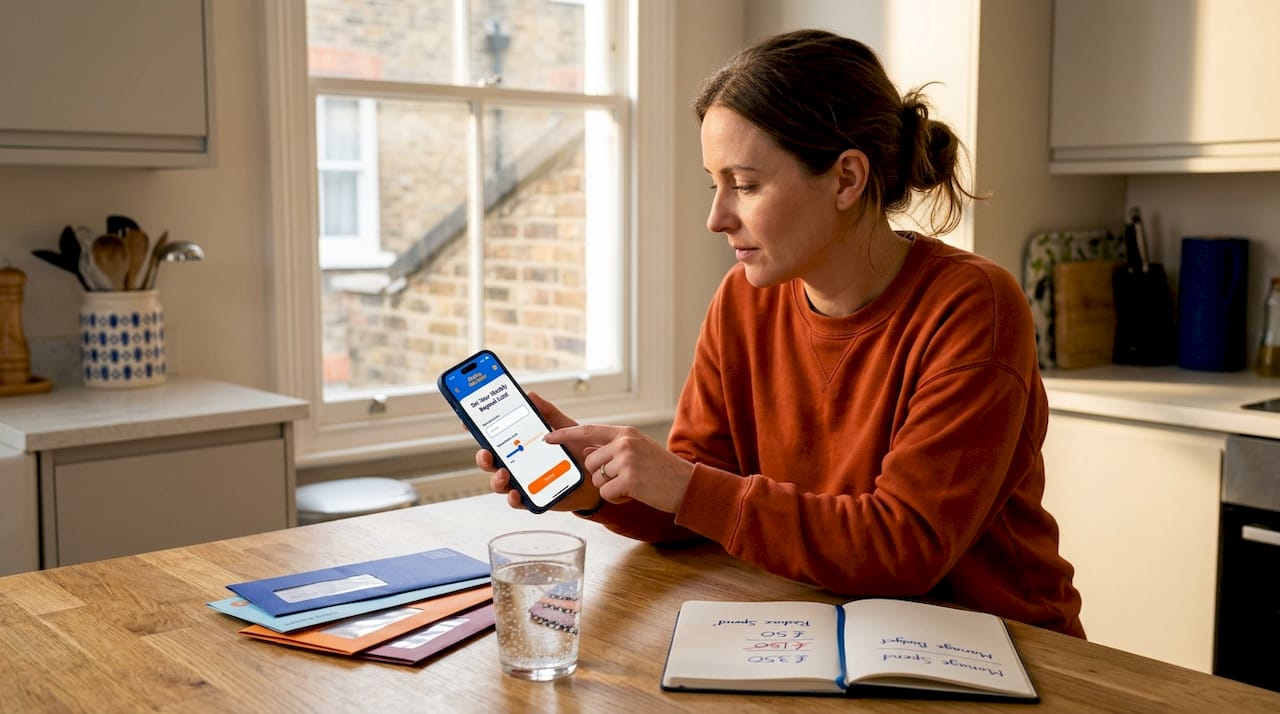
Here is the key point most players miss: reducing a limit takes effect immediately, but increasing a limit requires a cooling-off period, typically 24 to 72 hours depending on the operator. That delay is intentional. Limits create a pause between impulse and action, which is exactly when you need time to reconsider.
A practical approach for most casual players:
- Calculate your monthly disposable entertainment budget and divide it by four to get a weekly figure.
- Set your weekly deposit limit to that figure on every platform you use.
- Set a daily limit at roughly 40% of your weekly figure, so a bad Wednesday does not wipe out the whole week.
- Review these numbers once a month. If you have consistently not reached your limits, that is a healthy sign. If you regularly hit them, consider reducing them.
- Never increase a limit in the heat of the moment. If the cooling-off period feels frustrating, that frustration itself is useful information.
Reality checks and session time limits
Reality checks are timed alerts, typically every 10 to 15 minutes, that remind you how long you have been gambling. They interrupt the flow just long enough for you to make a conscious decision about whether to continue. They are not there to annoy you. They are there because our sense of time genuinely distorts during gambling sessions.
You can usually customise the frequency of these alerts. Shorter intervals suit higher-risk games like fast slots, while longer intervals may be appropriate for slower table games. The goal is awareness, not disruption.
Pro Tip: When a reality check appears, actually pause for five seconds before clicking “continue.” Ask yourself: am I still playing because this is fun, or am I chasing something? That five-second gap is the entire point of the tool.
Time-outs and self-exclusion
A time-out locks you out of your account for a short, defined period: 24 hours, a week, or a month. It is ideal for moments when you feel your control slipping but do not need a permanent solution. Self-exclusion goes further. Through GamStop, you can exclude from all UK licensed sites simultaneously, for a minimum of six months. Crucially, self-exclusion is hard to bypass by design. Operators are also required to stop sending you promotional material. It is one of the most protective tools available and carries no stigma whatsoever.
Common mistakes that undermine safe play
Knowing the tools is half the job. The other half is understanding why people stop using them. Ignoring reality checks and overriding limits are among the most common ways the responsible gambling process breaks down, and they rarely happen out of nowhere.
The patterns most likely to cause problems include:
- Chasing losses. This is arguably the most dangerous behavioural trap in gambling. After a losing session, the urge to “win it back” overrides rational thinking. Setting a loss limit in advance and treating it as non-negotiable is the only reliable defence.
- Gambling while emotional. Stress, boredom, loneliness, and anxiety are all common triggers. Gambling in these states increases both spending and emotional harm. If you would not make a major financial decision right now, do not gamble right now.
- Mixing gambling money with essential funds. This removes the psychological barrier that tells you when to stop. A separate e-wallet or prepaid card dedicated to gambling only solves this neatly.
- Dismissing early warning signs. Keeping secrets about your gambling, feeling irritable when not playing, or borrowing money are all warning signs that warrant attention before they escalate.
A particularly underestimated mistake is expecting tools to do all the work without any change in mindset. Responsible gambling tools must be available at decision moments like deposit or wager entry, not only at the end of a session. But even the best tool fails if you actively dismiss it. Educating yourself about gambling safety is what makes the tools actually function.
Tracking and verifying your progress
How do you know if the responsible gambling process is working for you? The honest answer is: you track it. Keeping a simple gambling log is not as tedious as it sounds. A basic spreadsheet or even a notes app entry after each session is enough.
Record these details consistently:
| What to log | Why it matters |
|---|---|
| Session length | Reveals whether sessions are creeping longer over time |
| Amount deposited vs. amount withdrawn | Gives you a real picture of net spending, not distorted win-memory |
| Emotional state before and after | Helps identify triggers and whether gambling is affecting your mood |
| Whether you stuck to your limits | Tracks behavioural consistency over weeks and months |
| Any urges to override controls | Early warning indicator for escalating risk |
Tracking gambling behaviour this way helps identify escalation patterns and emotional triggers before they develop into something harder to address. Most people who develop serious gambling problems report that the signs were present months before they sought help.
Positive signs to look for include consistently staying within limits, feeling relaxed after sessions rather than frustrated, and having no difficulty stopping when you planned to. If the opposite is true across two or more sessions in a row, that is the moment to act rather than wait. Early professional support via helplines, counselling, and online chat reduces financial, emotional, and relationship harms significantly.
My take on why this process matters more than the rules
I have spent years reviewing how UK players interact with online casinos, and the single thing I keep coming back to is this: the responsible gambling process works when players own it, not just when operators enforce it.
I have seen players who use every available tool and still struggle because the tools felt like hoops to jump through rather than genuine support. And I have seen players with minimal self-imposed limits who gamble perfectly healthily because they have a clear personal relationship with why they are playing and what they are willing to lose.
What I have found actually works is treating gambling as pure entertainment spending, like a cinema ticket or a meal out. You would not demand your money back from a restaurant because the food was not what you hoped for. That reframe changes everything about how you approach sessions.
My discomfort with how responsible gambling is often discussed is that it focuses almost entirely on restriction. The more honest framing is empowerment. Players feel in control when tools are easy to access and customise. Control is the goal, not abstinence. If gambling stops being fun, that is your clearest possible signal. Trust it.
— Traffic
How Geekygambler helps you gamble safely
At Geekygambler, we review every casino on the basis of how well it protects you, not just how generous its bonuses are. Licensing, safer play tools, and transparency are non-negotiable in our ratings.

If you are looking for a trusted starting point, our UK casino reviews cover the safest licensed platforms in 2026, each verified for deposit limit functionality, reality check availability, and self-exclusion compliance. We also publish detailed safer play guides covering everything from setting your first deposit limit to understanding when to take a longer break. Whether you are new to online gambling or reassessing your current habits, Geekygambler gives you the independent information you need to make genuinely informed choices.
FAQ
What is the responsible gambling process?
The responsible gambling process is a structured approach to managing your gambling activity through personal limit-setting, use of platform safety tools, and regular self-assessment. It is an ongoing cycle, not a one-off action.
How do I set deposit limits on a UK gambling site?
Go to your account settings and find the responsible gambling or safer play section. Enter your preferred daily, weekly, or monthly deposit limits. Reductions take effect immediately; increases require a cooling-off period of 24 to 72 hours.
What is GamStop and who should use it?
GamStop is the UK’s national self-exclusion scheme. It blocks access to all UKGC licensed gambling sites for a minimum of six months. Anyone who feels their gambling is becoming difficult to control should consider registering, and it is available at no cost.
How do reality checks support safe gambling practices?
Reality checks are timed pop-up alerts that show how long you have been gambling. They prompt a conscious decision to continue or stop, helping interrupt the time distortion that often occurs during online sessions.
When should I seek professional help for gambling?
You should contact a support service as soon as gambling starts to cause stress, secrecy, or financial strain. Early support is far more effective than waiting for a crisis. The National Gambling Helpline is free, confidential, and available 24 hours a day.
